From New York to Delhi: Inside Shaadi Season’s Global Fashion Trail
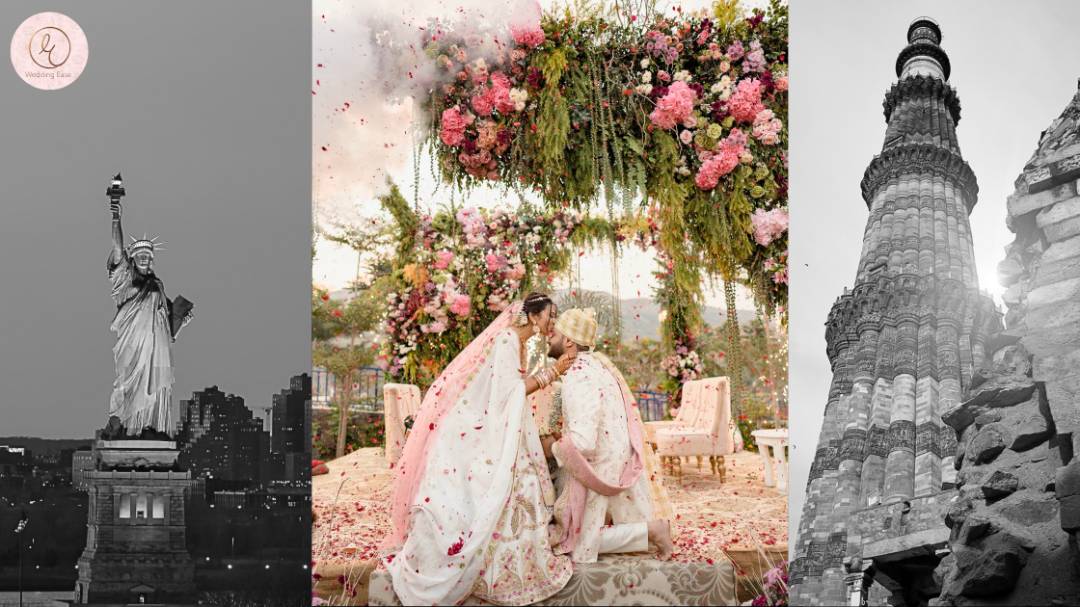
Remember when shopping tourism meant buying a tacky “I ❤️ New York” t-shirts, a plastic Big Ben keychain in London, or a “Swiss knife” from a trip to Switzerland? Those days are officially over. Today’s shopping tourists are collecting pieces of culture, heritage, and serious Instagram flex. And nowhere is this transformation more dramatic than in India, where a mind-blowing trend is turning the global luxury world upside down.
Picture this: Non-Resident Indians flying 15 hours just to buy their wedding outfits, Beyoncé strutting in Indian couture, and newly launched Kolhapuri chappals suddenly becoming the hottest trend on Fifth Avenue. This isn’t just tourism anymore, it’s a cultural pilgrimage that’s raking in billions. Welcome to India’s shopping revolution, where every purchase comes with a side of 5,000 years of history.
The Numbers Are Absolutely Bonkers
Let’s talk money, because these figures will make your head spin. India’s tourism sector isn’t just growing, it’s exploding like Diwali fireworks. We’re talking about an industry that contributes up to 9.2% of India’s GDP and keeps 46 million people employed. That’s more people than the entire population of Canada!
But here’s where it gets really wild: the travel retail market (that’s fancy talk for shopping while travelling) is about to go from $2.47 billion in 2025 to $6.56 billion by 2030. That’s a 21.59% growth rate that would make even crypto enthusiasts jealous.
When international visitors dropped a record-breaking ₹3.1 trillion ($37 billion) in 2024, they weren’t buying your average tourist knick-knacks. They were investing in authentic cultural treasures that would make museum curators weep with envy.
The Great Wedding Expedition (Yes, That’s a Real Thing)
Here’s where the story gets really juicy. Every year, thousands of Non-Resident Indians pack their bags and embark on what can only be described as the world’s most expensive shopping spree. They’re creating a truly immersive cultural experience, a wedding that feels even more authentic than a Bollywood movie!
For these families, wedding shopping isn’t about convenience or cost (trust me, it’s neither). It’s about that deep, soul-stirring “I need to connect with my roots” feeling. They want their kids to be married in outfits that scream authenticity, not something that whispers “Made in China” from a boutique in New Jersey.
The Ultimate Shopping Road Trip: The Trousseau Trail
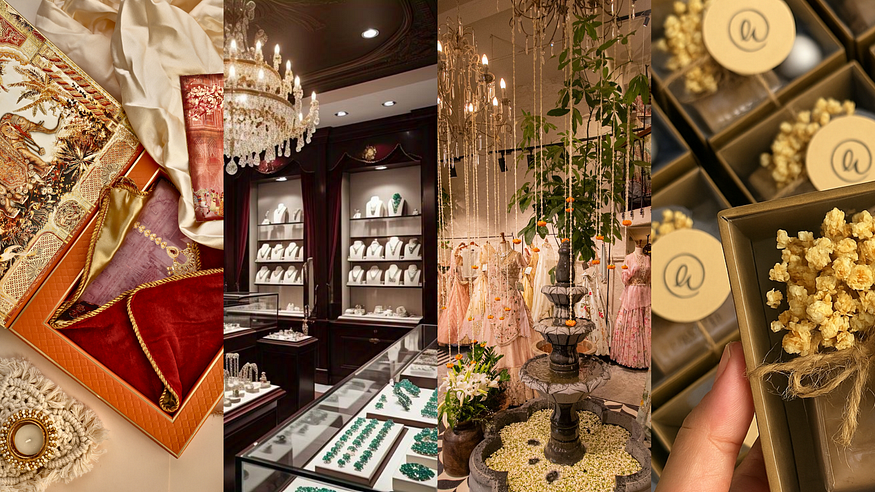
NRI families embark on extensive journeys throughout India, not merely for shopping, but as epic quests. Think of it as a treasure hunt where the prize is cultural legitimacy and the best photos of your life. Here’s their typical route:
Delhi: The fashion capital where 400-year-old Chandni Chowk markets high-five modern designer boutiques. It’s like travelling through time, but with better lighting and AC.
Jaipur: The bling headquarters of India. If your jewellery doesn’t blind at least three people at the wedding, you’re shopping wrong. The Johari Bazaar here is basically the Indian version of Tiffany & Co., but with more history and better haggling.
Surat: The textile wonderland where every fabric tells a story. Home to sarees so beautiful they should come with their own Instagram filters.
Kolkata: The silk sanctuary where Bengali weaving traditions are so sacred, they practically require a pilgrimage. Here, hand embroidery transforms cloth into storytelling masterpieces, nimble fingers creating intricate kantha stitches, turning discarded saris into heirloom quilts with Bengali motifs so exquisite, museums fight over them.
Hyderabad: Pearl paradise and bangle heaven. The Laad Bazaar here is where bangles go to become art.
Chennai & Bangalore: The southern treasure chests for silk that’s smoother than your pickup lines and jewellery that’s more intricate than your relationship status.
It’s less about shopping and more about a cultural excavation, credit card in hand.
The Designer Mafia: How Indian Couturiers Took Over the World
The magnetic pull of India as a shopping destination didn’t happen by accident. It’s being orchestrated by a group of visionary designers who’ve gone from local tailors to global taste-makers. Leading this fashion revolution is Sabyasachi Mukherjee, who’s basically the godfather of making Indian heritage look impossibly cool.
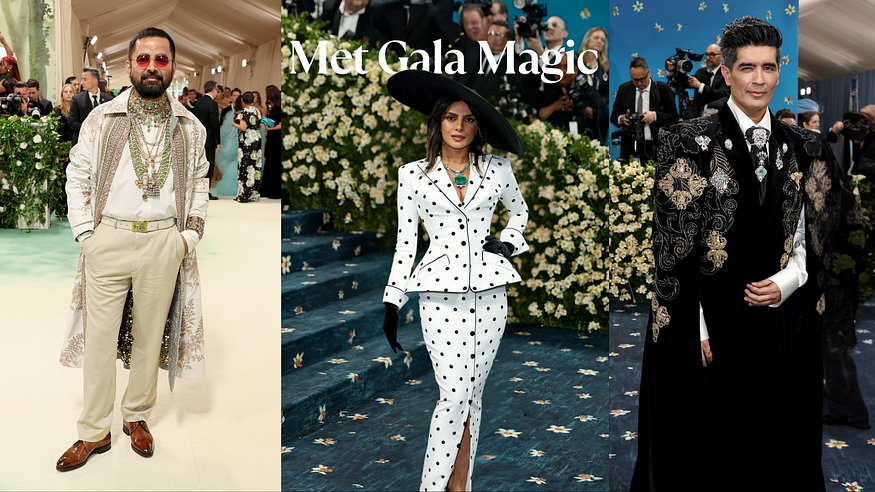
Sabyasachi’s strategy is pure genius: instead of just selling clothes, he sells stories. His H&M collaboration sold out online in under seven minutes (that’s faster than most people can decide what to have for lunch). His partnerships with Christian Louboutin and Estée Lauder aren’t just business deals; they’re cultural invasions disguised as fashion collaborations. With flagship stores in Mumbai, Delhi, Kolkata, Hyderabad, and international boutiques in New York’s SoHo and London’s Harrods, Sabyasachi has dressed everyone from Deepika Padukone and Priyanka Chopra to Reese Witherspoon and Oprah Winfrey. His designs have graced red carpets from Cannes to the Met Gala, making Indian craftsmanship a global status symbol.
Meanwhile, Manish Malhotra went from dressing Bollywood stars like Kareena Kapoor and Alia Bhatt to having international celebrities fight over his designs. When he debuted at Dubai Fashion Week with Adriana Lima walking for him, it was a declaration of war on boring Western fashion. His couture has been spotted on Sonam Kapoor at Cannes, Kiara Advani at international premieres, and even attracted Hollywood A-listers seeking his signature glamour. With stores spanning Mumbai, Delhi, Hyderabad, and plans for Middle Eastern expansion, Malhotra is building an empire that bridges Bollywood dreams with global luxury.
Then there’s Anita Dongre, who’s quietly conquered the sustainable luxury space with stores across India and a flagship in New York’s Flatiron District. Her brand has dressed everyone from Meghan Markle (who wore her designs during her India tour) to countless international influencers discovering the magic of Indian block prints and hand embroidery. Her global expansion into Dubai, London, and an upcoming Paris boutique signals that conscious luxury has an Indian accent.
Rahul Mishra, the first Indian designer to showcase at Paris Haute Couture Week, has boutiques in Mumbai and Delhi, with international stockists from Bergdorf Goodman to Browns in London. His intricate embroidery has caught the attention of international fashion editors and celebrities seeking one-of-a-kind pieces that tell stories of Indian craftsmanship.
These designers are selling dreams, heritage, and the kind of cultural pride that makes you want to text your mom and tell her you love her.
The Ripple Effect: From Red Carpet to Village Loom
Here’s where the magic happens, and it’s better than any Disney movie. When Beyoncé wears Gaurav Gupta or Cardi B rocks Rahul Mishra, something incredible happens. Suddenly, the centuries-old craft techniques behind these outfits become cooler than the latest TikTok dance.
This global validation creates an economic ripple effect that would make economists weep tears of joy. That gorgeous embroidery you saw on the Met Gala red carpet? It was probably hand-stitched by an artisan in a small Indian village who just became part of a global fashion moment.
One couture gown worn by a celebrity can create work for dozens of craftspeople, preserve dying art forms, and keep entire communities employed. These designers are basically economic superheroes with really good taste.
The Trust Issues: When Shopping Dreams Meet Reality
But let’s keep it real for a hot minute. Despite all the romantic notions about shopping in India, the ground reality can be… well, let’s just say it’s complicated.
NRI shopping horror stories are legendary. Picture this: You purchase a groom’s outfit, the vendor delays your order from your desired date, and suddenly you’re three weeks before the wedding with no outfit and a very stressed groom-to-be. Or how about the boutique that straight-up lied about your order being ready when they hadn’t even started working on it, and you are already going to fly back in a week!
This “trust deficit” is like that one friend who always shows up late to dinner, annoying, predictable, and completely fixable with better planning. The good news? This problem is also a massive business opportunity waiting for someone smart enough to solve it.
The Sustainable Secret Weapon
While the rest of the world is having a meltdown about fast fashion destroying the planet, India is sitting pretty with its sustainable secret weapon: traditional crafts.
Indian handicrafts are made from natural, locally sourced materials using techniques that are older than your great-great-grandmother’s grandmother. When you buy directly from artisans, you’re not just getting a beautiful product; you’re supporting entire communities, preserving cultural heritage, and giving Mother Earth a high-five.
This creates what marketing gurus call a “feel-good purchase” You look amazing AND you’re saving the world. It’s like being a superhero, but with better accessories.
The Future: Bright, But Needs Some Efforts
The future of India’s shopping tourism is brighter than the nightlife of New York and with the right momentum, it’s only going to get better. While challenges like global safety advisories pop up now and then (much like a bad Yelp review), India continues to invest in long-term infrastructure and cultural promotion. The government has been actively working on strengthening local tourism circuits, improving airport retail experiences, and digitizing payments for smoother transactions. Even the shift in marketing budgets reflects a strategic pivot toward digital-first promotions, empowering homegrown creators, startups, and platforms to take the lead in showcasing India’s unique value to global audiences.
But the opportunities are massive. Indian airports are transforming into shopping wonderlands (Delhi’s airport makes 70% of its revenue from non-flight activities, and people are going to the airport just to shop). Technology is making everything smoother. UPI payments mean you can pay with your phone (no more fumbling with cash or cards), online stores are popping up everywhere, and digital platforms are connecting shoppers with authentic vendors across the country.
The Bottom Line: This Revolution Is Just Getting Started
India’s shopping tourism revolution is more than just an economic opportunity; it’s a cultural renaissance wrapped in silk and decorated with gold. As Indian designers continue to make international headlines and NRIs seek authentic connections to their heritage, this market’s potential is virtually limitless.
The secret sauce? Addressing the trust issues through better vendor certification, implementing tourist-friendly policies, and positioning India not just as a shopping destination but as a place where your purchase tells a story.
The threads of tradition are being woven into the fabric of global luxury, and India is holding the loom. The question isn’t whether this revolution will continue, it’s how quickly everyone can adapt to meet the demands of shoppers who see every purchase as a piece of their culture.
